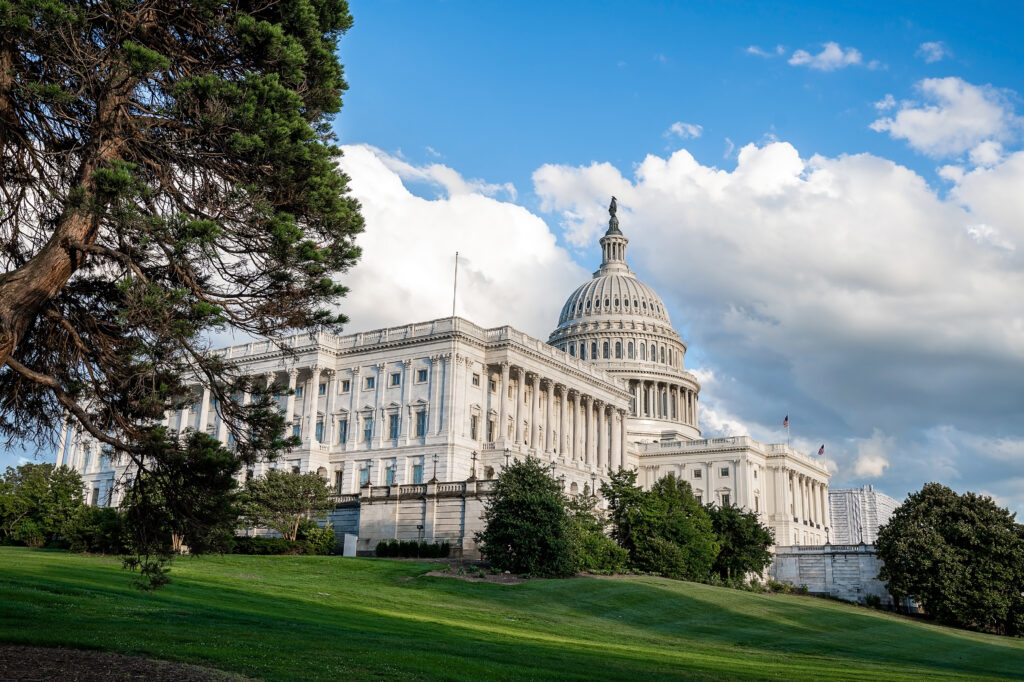
As of January 28, 2026, the federal government is just days away from a potential partial government shutdown. Lawmakers face a funding deadline at the end of this week, with about half of federal agencies set to run out of money on January 30[1]. If Congress fails to act by Friday night, those agencies “will be forced to shut down first thing Saturday” (January 31)[2]. Below we recap the latest shutdown status, what it means for federal contractors – especially small businesses and subcontractors – and how you can prepare and continue securing work (at lower cost) using tools like Procura.
Latest Status of the Impending Shutdown (Jan 28, 2026)
Budget negotiations remain gridlocked. Congress has passed full-year funding for six of the twelve FY2026 appropriations bills, but funding for the remaining agencies only extends through January 30 under a temporary measure[1]. The House of Representatives already approved a package to fund those agencies through the fiscal year, but the bill’s fate is uncertain in the Senate[3]. A major stumbling block is the Department of Homeland Security (DHS) budget: a recent incident – the fatal shooting of a U.S. citizen by federal agents – prompted some lawmakers to withdraw support for the DHS funding as currently written[4]. Senate Democrats argue the proposed DHS appropriations are “woefully inadequate to rein in the abuses” of immigration enforcement agencies[5]. They have insisted on carving out the DHS funding into a separate bill for further negotiations, while allowing other departments’ funding to advance[4].
Time is running short. Senate leadership has scheduled a procedural vote on the appropriations package for Thursday, January 29. So far, the Senate majority (led by Republicans) has shown no willingness to split off the DHS funding as Democrats demand[6]. This raises the stakes – unless a last-minute compromise is reached, the Senate may not secure the 60 votes needed to overcome a filibuster. The situation is complicated by the fact that the House is currently in recess; if the Senate did amend or separate the bills, the House would need to reconvene before the deadline to approve changes[6]. In short, Congress has only two days to resolve the impasse and avert a shutdown.
Why another shutdown threat now? Frustratingly for contractors and federal employees, this showdown comes on the heels of a shutdown just a few months ago. In October 2025, the government did partially shut down when Congress missed the start-of-fiscal-year funding deadline amid policy disputes (in that case, disagreements over extending Affordable Care Act subsidies)[7]. That lapse – the longest in modern history – ended when a short-term bipartisan deal reopened agencies and extended funding until January 30, 2026[8]. Now that stopgap is expiring, and the unresolved budgets (including Defense, DHS, Labor/Health/Education, Transportation/HUD, State, and Treasury) are again at a crisis point[9]. Lawmakers on both sides acknowledge that another shutdown would be “dangerous and detrimental”[10][11], but political disagreements have made the path to a solution elusive. All eyes are on the Senate’s votes and any eleventh-hour negotiations to see if a shutdown can be avoided.
How a 2026 Government Shutdown Could Impact Federal Contractors
If the government does enter a partial shutdown this weekend, federal contractors will be among the hardest hit. While essential federal employees might continue working unpaid (with Congress often approving back pay later), most contractor personnel do not get such guarantees. In fact, the Professional Services Council estimated that at least 1 million contractor employees were affected by the 2025 shutdown, and “most of them will not receive back pay” for the period of stopped work[12]. For small and mid-sized businesses in the federal marketplace – which form the backbone of the contractor community – a funding lapse can cause “devastating cash flow disruptions and workforce losses”[12]. Simply put, many companies have to halt projects, absorb unpaid time, or even furlough their own staff if government clients stop payments.
Contract work and payments could be delayed or frozen. Each federal agency has a contingency plan for shutdowns, but generally, agencies cannot award new contracts, issue task orders, or exercise contract options during a shutdown unless it’s for an “excepted” emergency activity[13]. Ongoing projects that were fully funded before the shutdown may continue, but contractors might receive stop-work orders if the work is not deemed essential or if access to government facilities and personnel is cut off[13]. Many agencies’ shutdown plans note that contractors should continue performing on existing funded contracts if possible, yet large numbers of government oversight staff could be furloughed, meaning routine approvals, inspections, and payments will be delayed[13]. For example, a firm providing on-site services at a federal office could find the facility closed and no government personnel available to provide direction – effectively pausing the work.
Mission-critical services will be scaled back. In a partial shutdown, not all parts of the government close – some agencies are already funded through separate appropriations (for instance, the Departments of Agriculture and Veterans Affairs have full-year funding, so their contracting operations can proceed normally). However, major contracting departments like Defense, Homeland Security, Transportation, Health and Human Services, and others would be operating under shutdown restrictions[9]. That means critical programs could be curtailed. Contractors supporting functions like military training and maintenance, border security, or FAA and infrastructure projects may see work paused. Even if certain DHS functions continue for safety (e.g. TSA airport screening will continue with “essential” staff), support contractors for those agencies might not be paid until appropriations are in place. It’s expected that air travel, disaster relief, and other services could be significantly affected[14] – which in turn impacts the companies contracted to assist in those areas.
No new federal contracting opportunities (for now). Contractors and subcontractors hoping to win new work will find the pipeline temporarily choked off during a shutdown. Federal procurement officials generally do not issue new solicitations or make new contract awards during a funding lapse[13], unless the contract is tied to an excepted activity (e.g. an urgent health or safety need). This means bid deadlines might be extended and proposal evaluations put on hold. The longer a shutdown lasts, the more upcoming procurements get pushed out – potentially bunching up solicitations after the government reopens. For small businesses reliant on a steady flow of RFPs, this pause can be nerve-wracking. The silver lining is that some agencies (those already funded or using multi-year funds) might continue releasing opportunities, but overall government contracting will slow to a crawl during the shutdown.
Steps for Small Business Contractors to Prepare and Adapt
Federal subcontractors and small prime contractors should take proactive steps to weather this uncertainty. Here are some key steps to prepare:
- Know Your Contract Status: Review your current contracts and funding. Determine which contracts are tied to agencies likely to shut down. If a contract is fully funded (or the agency has an enacted appropriation), you may continue work; if not, anticipate a stop-work order. Communicate with your contracting officers ahead of time for guidance (keeping in mind they themselves might be furloughed once a shutdown starts).
- Plan for Cash Flow Disruptions: Ensure you have a financial buffer or contingency plan to cover operating costs if payments are delayed. Consider options like tapping lines of credit or adjusting project timelines. Remember that contractor invoices will be delayed during a shutdown and, unlike federal employees, your team’s lost hours might not be reimbursable[12]. Prioritize critical expenses to sustain through the funding gap.
- Avoid Unauthorized Work: If a stop-work order is issued on a contract, do not continue working in hopes of later payment. The FAR’s Disputes clause requires contractors to follow work stoppage directions; proceeding without funding could put you at risk of not getting paid or even being in default. It’s safer to pause work as instructed and document all impacts for potential equitable adjustments later[15].
- Focus on Business Development and Readiness: Use any downtime productively. This is a good opportunity to research upcoming opportunities, refine your proposals, and strengthen partnerships. While new solicitations from affected agencies will be sparse, you can build your pipeline by identifying procurements that are likely to come out once the government reopens. Also focus on agencies not impacted by the shutdown – for example, if the Department of Veterans Affairs (VA) is funded, opportunities with VA or other funded agencies (like Agriculture or Energy if they have funding) may still appear. Staying agile can help you rebound quickly when normal operations resume.
- Leverage Technology to Stay Alert: Given the fluid situation, consider using automated tools to monitor any new developments in federal opportunities. For instance, if an agency unexpectedly releases an urgent solicitation or updates a procurement schedule, you’ll want to know immediately. This is where AI-driven platforms (like Procura) can keep you informed 24/7, scanning for relevant updates even when you’re not actively searching.
By taking these steps, small contractors can mitigate the damage and be ready to jump back into action once the budget impasse is resolved. It’s about controlling what you can: shoring up finances, keeping client communication open, and doubling down on business development so that when federal contracting picks up again, your company is prepared to capitalize on new opportunities.
Securing More Work at Lower Cost with Procura Federal
One silver lining in this challenging environment is that technology can empower contractors to work smarter and cut costs. Procura Federal is one such solution – an AI-powered federal contract search and analysis tool designed specifically for small and mid-sized government contractors. Procura helps you secure more work at a lower cost by automating the time-consuming parts of business development:
- Automated Opportunity Discovery: Procura continuously scans SAM.gov and other federal procurement data for you, so you don’t miss new bids. It doesn’t just match keywords – it reads the full solicitation packages (RFPs, SOWs, attachments) and then scores each opportunity’s fit against your company’s capabilities[16]. In other words, it finds the contracts that truly match your services and flags the hidden requirements and risks buried in documents that a quick keyword search might overlook.
- Faster Bid/No-Bid Decisions: By providing an executive-ready summary of each relevant opportunity along with an AI-generated “fit score” and explanation, Procura enables you to evaluate opportunities in minutes, not days[17]. Instead of spending hours reading through dozens of PDF pages for each solicitation, your team can quickly identify which RFPs are worth pursuing. This means you can respond to more bids with the same staff – effectively boosting your pipeline without adding overhead.
- Cost-Effective Alternative to Pricey Platforms: Unlike traditional market intelligence tools (which charge thousands per month and still rely on basic keyword alerts), Procura delivers a deeper level of analysis at a fraction of the cost[18]. In fact, many enterprise federal contracting tools cost $2,000–$5,000+ per month yet don’t even analyze solicitation attachments or provide scoring[18]. Procura’s plans start around $399 per month for full AI-driven analysis – roughly 10× more affordable than the big-name competitors[18]. This is a game-changer for small businesses operating on tight budgets. You get capabilities similar to an entire proposal research team, without the enterprise price tag.
- Proven Time and Money Savings: By offloading manual research to Procura’s AI, contractors are seeing tangible results. According to Procura’s data, users have already reviewed over 869,000 opportunities through the platform, reclaiming some 1.7 million hours of business development time and saving over \$181 million in the process[19]. Those are hours and dollars that small businesses have been able to redirect from tedious paperwork toward more productive pursuits – like building client relationships and writing winning proposals.
Ultimately, Procura Federal acts like your virtual contracting analyst, working 24/7 to ensure you never miss a contract opportunity. Especially during uncertain periods (such as a shutdown, when you might be operating with limited staff or have to multitask), having an automated system that “focuses on finding so you can focus on winning” is invaluable[20]. Procura reads and understands opportunities much like a human expert would, but at machine speed and scale. This means when the government restores normal operations and a surge of solicitations hits the street, Procura users will immediately see the best matches for their business – giving them a head-start on the competition.
Secure more work, at lower cost is not just a tagline; it’s the reality for firms using smart tools like Procura. By cutting out costly research time and subscription fees, even small subcontractors can compete and win contracts that might have seemed out of reach before.
Stay Informed and Ready: Daily Updates Ahead
The situation in Washington is evolving by the hour. Whether a last-minute budget deal is struck or a partial shutdown does indeed begin, staying informed is critical for federal contractors. We will continue to post daily updates on this blog with the latest shutdown news, insights for government contracting, and practical tips to help your business navigate the turbulence.
In the meantime, ensure your team knows the game plan if the shutdown occurs, and use this time to strengthen your position for when the government reopens (because it will reopen, sooner or later). Every challenge comes with an opportunity – by preparing now and leveraging cost-effective tools and strategies, your small business can emerge from this uncertainty ready to secure more federal work than ever.
Stay tuned for tomorrow’s update, and stay focused on what you can control. With preparation and the right resources, you can keep your federal contracting goals on track – even in the face of a government shutdown.
Meet With the Procura Team to See How We Can Help
Sources:
- Government Executive – “Path to averting a shutdown remains elusive as lawmakers debate DHS funding”[1][4][5][6]
- NC Local News – “Parts of the federal government could shut down this weekend. Here’s what you need to know.”[7][14][8]
- GovExec (Washington Technology) – “Shutdown’s ripple effect: Contractors, small businesses face devastating economic hit”[12]
- Crowell & Moring Government Contracts Legal Forum – “Common Questions – About a Government Shutdown”[13]
- Procura Federal – Product Overview and FAQ[16][17][18][19]

[1] [2] [3] [4] [5] [6] [9] [10] [11] Path to averting a shutdown remains elusive as lawmakers debate DHS funding – Government Executive
[7] [8] [14] Parts of the federal government could shut down this weekend. Here’s what you need to know. – NCLocal https://nclocal.org/2026/01/26/parts-of-the-federal-government-could-shut-down-this-weekend-heres-what-you-need-to-know/
[12] Shutdown’s ripple effect: Contractors, small businesses face devastating economic hit – Government Executive
[13] [15] Common Questions—and Answers—About A Government Shutdown | Government Contracts Legal Forum https://www.governmentcontractslegalforum.com/2025/10/articles/government-contracts/common-questions-and-answers-about-a-government-shutdown/
[16] [17] [19] [20] Procura Federal – AI-Powered Federal Contract Search & Analysis
[18] Procura Federal FAQ – AI-Powered Federal Contracting