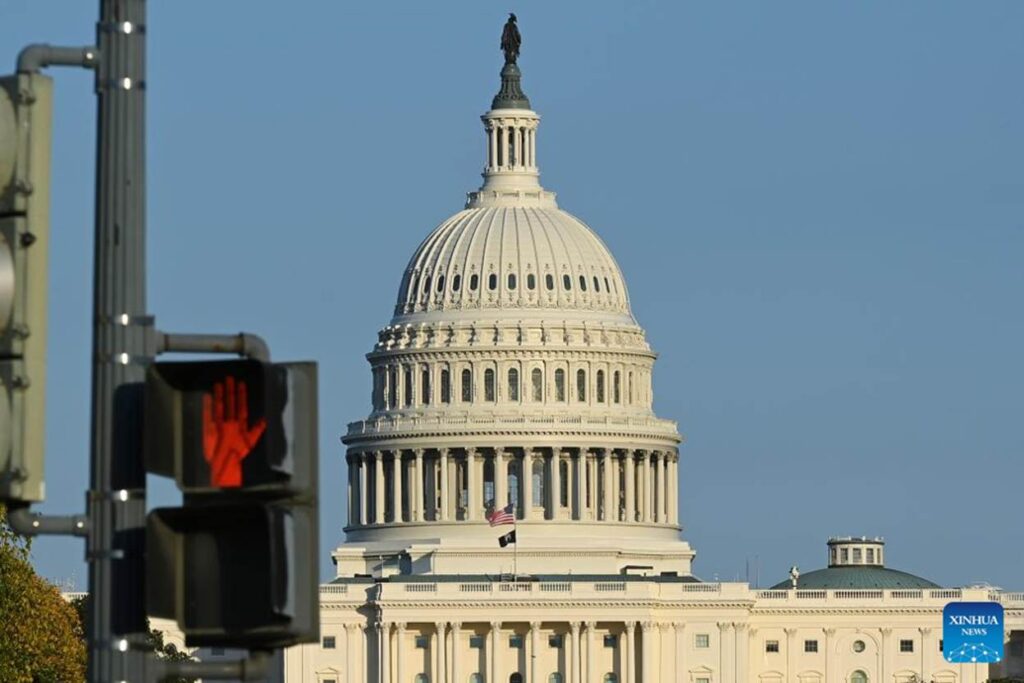
As of January 29, 2026, the United States federal government is once again on the brink of a shutdown. Lawmakers have until midnight on January 30 to enact funding for the remaining agencies, or a partial federal government shutdown will begin shortly thereafter[1]. Negotiations in Congress have intensified over the last 24 hours, with a particular focus on funding for the Department of Homeland Security (DHS). While new developments in the Senate offer a glimmer of hope for averting a large-scale shutdown, small federal contractors and subcontractors are still bracing for potential disruption. This update covers the latest Congressional maneuvers since January 28 and what they mean for small business federal contractors trying to navigate the uncertainty.
Latest Shutdown Status and Congressional Developments (Jan 29, 2026)
Shutdown deadline: A stopgap measure funding many federal agencies expires tomorrow, January 30, 2026, which could trigger a partial government shutdown by the start of the weekend[1]. Six of the twelve FY 2026 appropriations bills remain unresolved, meaning a large portion of the government (including departments like DHS, Defense, Labor, HHS, Education, Transportation, HUD, State, and Treasury) has no full-year funding in place[2]. In other words, the vast majority of federal operations are at risk without last-minute congressional action.
House vs. Senate: Earlier in January, the House of Representatives passed funding packages for these remaining agencies – even taking a separate vote on the contentious DHS funding bill, which narrowly passed[3]. However, the Senate hit a roadblock due to partisan divisions over the DHS portion, after a second deadly incident involving Immigration and Customs Enforcement agents heightened scrutiny on Homeland Security’s policies[4]. Senate Democrats have insisted that the DHS funding bill be modified to include reforms (such as limits on ICE tactics) and want to decouple it from the rest of the funding package[5]. Senate Republicans, until recently, had resisted splitting the bill, creating a high-stakes standoff as the deadline approached[6].
New developments since Jan 28: As the clock ticks down, there are signs of progress toward a compromise. Negotiations between the White House and Senate leaders intensified late on Jan 28 and into Jan 29 on a plan to avert a broader shutdown[7]. The emerging deal would remove the full-year DHS appropriation from the package and replace it with a short-term continuing resolution (CR) for DHS, effectively punting the contentious issues into the near future[8]. This would allow the other five outstanding spending bills (funding departments like Defense, Labor-HHS-Education, Transportation-HUD, etc.) to advance and be signed into law, keeping those agencies open. A Senate procedural vote scheduled for 11:30 AM today was postponed as lawmakers worked out this plan[9].
Bipartisan urgency: Both sides seem motivated to avoid a repeat of last fall’s 43-day shutdown. Even the White House has publicly backed the bipartisan effort to pass a revised funding package and keep the government open, noting that a shutdown would harm disaster response and other vital services[10]. Senate Majority leadership indicated the talks are “getting closer” to an agreement on the DHS stopgap, though the length of that CR is still under debate[11]. Republicans have floated a six-week extension for DHS funding, while Democrats prefer a very short (1-2 week) stopgap with prompt negotiations on DHS policy changes[11][12]. The urgency stems from recent events – the tragic DHS-related incidents in Minneapolis – which have made Democrats adamant about reining in ICE practices quickly[13].
Short shutdown still likely: Importantly, even if Senate leaders reach a deal today, timing is tight. Any Senate-approved change (like carving out DHS) must be sent back to the House for approval, and the House isn’t set to reconvene until Monday, Feb 2[6]. Unless both chambers unanimously consent to a stopgap before tomorrow at midnight – an unlikely scenario – “there’s almost no way to avoid at least a short partial government shutdown,” according to budget insiders[14]. In practice, this could mean a brief funding lapse over the weekend and into next week. Lawmakers are framing it as a manageable scenario: after the prolonged shutdown last year, a gap of a few days to a week is considered less disruptive, especially since half of the appropriations (for agencies already funded) are in place[14].
Best-case and worst-case: The best-case outcome by end of day Jan 30 is that the Senate agrees to pass five agency funding bills and a short-term CR for DHS, with the understanding that the House will approve that package immediately upon return. That would confine any shutdown effects primarily to DHS operations and only for a very short period[15]. The worst-case (if talks collapse) is that no agreement is reached in time, causing a partial shutdown of all six unfunded appropriations areas starting January 31. In that scenario, departments like Homeland Security, Health and Human Services, Labor, Education, Housing and Urban Development, Transportation, State, and Defense would all face spending lapses[16]. Even if Defense (DoD) and other critical agencies technically shut down, essential operations (like military, TSA, air traffic control, etc.) might continue with exempt personnel, but many contracts and services would still be frozen. For now, optimism is cautiously growing – Senate Minority Leader Chuck Schumer indicated Democrats are ready to quickly pass the non-DHS bills if Republicans agree to split the package[4], and quiet conversations suggest a temporary DHS fix is on the table. However, as of this morning, no firm deal has been publicly announced[17], and both federal employees and contractors are preparing for at least a brief shutdown if only to bridge the procedural gap before the funding legislation is finalized[18].
Impact on Small Federal Contractors and Subcontractors
If a partial government shutdown occurs, it will directly impact thousands of federal contractors – especially small businesses that rely on steady government work. Here’s a recap of what a shutdown (even a partial one) means for contractors:
- Widespread agency closures: Only agencies with no appropriated funds will shut down, but unfortunately that currently includes a large portion of the government (DHS, DoD, Labor, HHS, Education, Transportation, HUD, State, Treasury, SBA, and more)[19]. These departments will halt all non-essential operations, and many federal offices and facilities will close to the public[19][20]. Contractors supporting those agencies may find their on-site work inaccessible during the shutdown.
- Work stoppages and contract delays: Agencies affected by the funding lapse cannot award new contracts or task orders during the shutdown. No new contracts or contract modifications will be issued, and ongoing procurement processes will be paused[20]. Solicitations might be postponed or cancelled. For small businesses eagerly awaiting a contract award or option exercise, this can be a frustrating delay to revenue.
- Furloughed federal staff: Non-essential federal employees will be furloughed, which includes many contracting officers, program managers, and agency points of contact[20]. This means even existing contracts can face communication hurdles – your government counterparts might not be available to provide guidance, accept deliverables, or process routine approvals during the shutdown.
- Payments on hold: Perhaps the biggest concern for small contractors is cash flow. Invoices will not be processed or paid during a shutdown for the unfunded agencies[21]. Payments resume only after the government reopens, and even then a backlog can cause further delays. For a small business, each week of delayed payments can be painful. (For perspective, in a previous shutdown, it was estimated that every week the government was closed put about $226 million in payments to California small businesses at risk[22].) Contractors should be prepared to wait on reimbursement for work already performed, potentially for weeks.
- Deadlines and compliance: Notably, statutory deadlines – for example, proposal due dates, bid protest filings, or claims under contracts – are typically not automatically extended just because of a shutdown[23]. If the contracting agency is closed, there may be adjustments on a case-by-case basis, but contractors shouldn’t assume extra time will be granted. It’s important to monitor official communications (such as SAM.gov notices or agency press releases) about any deadline changes.
- Small business pressures: For small federal subcontractors in particular, a shutdown’s ripple effects can be severe. Many small firms lack large financial buffers, so paused payments and work can quickly lead to cash crunches. They might also have to continue paying certain overhead or keep staff on payroll with no billable work. Unlike large primes, small businesses can struggle to reallocate employees or absorb weeks of uncertainty. (Across the country, thousands of small contractors collectively risk billions in revenue during a lengthy shutdown – e.g. a one-month shutdown could put nearly $1 billion of Maryland small business contract payments on hold[24].) In short, the longer a shutdown drags on, the more small businesses face difficult decisions to cover costs and retain employees.
Proactive Steps for Small Contractors to Navigate Shutdown Uncertainty
While the situation is fluid, small business contractors should take proactive steps now to mitigate the impact of a potential shutdown. Here are some actionable measures to consider:
- Stay Informed and Plan Around Agency Funding: Start by reviewing which of your contracts are with agencies likely to shut down. If you have a mix of contracts (some under fully funded agencies and some under at-risk agencies), prioritize tasks for the funded ones and prepare to pause work on the others. Keep a close eye on official updates from agencies and Congress – knowing the latest status will help you adapt your plans daily. Being well-informed also reassures your team and stakeholders that you’re on top of the situation.
- Communicate with Contracting Officers (COs) Now: Reach out to your contracting officers or agency representatives before the shutdown deadline to get guidance[25]. Ask if there are specific instructions for contract work during a funding lapse. Many COs will issue stop-work orders for affected contracts once a shutdown is imminent. If you receive a verbal notification, request a formal written directive via email. Clarify how and when you should halt work, and whether any essential services on your contract are exempted. Remember, once the shutdown begins, your CO may be furloughed and unreachable[26], so get any critical information now. For contracts that will continue (funded agencies or exempt work), confirm that in writing too. Clear communication now can prevent confusion later.
- Secure Payments and Finalize Tasks: If possible, invoice for any completed work now and submit it while agencies are still open. Push to get invoices approved and routed to finance offices before the deadline – even if payment only comes after reopening, being early in the queue helps. Similarly, try to deliver any due deliverables or reports and get them accepted by the government client now[27]. The goal is to have as few loose ends as possible. If there are contract modifications pending (e.g. funding mods, extensions), politely urge the agency to sign them before the shutdown. Every action you close out today is one less thing stalled tomorrow.
- Review Your Contract Terms and Rights: Pull out your contract documents and refresh yourself on clauses related to stop-work, delays, and termination[28]. Many federal contracts include FAR clauses (Federal Acquisition Regulation clauses) that cover excusable delays or government shutdown scenarios. For example, FAR 52.242-15 (Stop-Work Order) might be in your contract, which generally entitles you to an equitable adjustment (i.e. potential compensation for certain costs) if work is stopped by the government[26]. Know what notifications you’re required to give and the timelines for any claims (often you must assert your right to adjustment within 30 days after work resumes). Understanding your rights will help you document and later recover costs that result directly from the shutdown. If you’re unsure, consider consulting a government contracts attorney for advice – many have released client alerts about handling this shutdown scenario.
- Coordinate with Employees and Subcontractors: Internal and external communication is key. Inform your project teams about the possibility of a work stoppage. Have a plan ready: for instance, if the shutdown happens, will you ask staff to use vacation time, or will you temporarily reassign them to other funded projects? You might encourage employees to focus on training, internal process improvements, or proposal writing during the downtime[29]. If you anticipate needing to furlough any employees, be mindful of labor laws – an exempt salaried employee who works even one day of a week is entitled to their full salary for that week[30], so timing matters. For subcontractors, reach out to them now and discuss the contingency plans[31]. If you’re a prime contractor, you need to ensure your subs also stop work when you do – you don’t want a subcontractor unknowingly continuing to rack up costs during a period that the government won’t pay for. Make sure to pass along any stop-work orders to them in writing. Good communication up and down the chain will prevent confusion and financial disputes later[31].
- Bolster Your Cash Reserves and Mitigate Financial Strain: Take a hard look at your finances and build a shutdown budget. Ensure you have enough cash on hand (or access to a line of credit) to cover at least 2-4 weeks of operating expenses with little to no incoming revenue[32]. It’s prudent to delay any non-essential expenditures and hiring until the uncertainty clears. If you anticipate trouble meeting payroll or other obligations, have a conversation with your bank now or prepare other financing options. Also consider ways to cut costs in the interim: for example, can some staff focus on billable work for clients that are unaffected? Or can you rotate a light schedule to reduce labor burn if projects pause? Some companies temporarily reassign employees to projects for agencies that aren’t shut down (if you have such contracts), or use the time for internal training and development so that employees remain productive[29]. By reducing the financial bleed during the shutdown, you not only survive the storm but also strengthen your case if you later seek equitable adjustments (since you took reasonable steps to mitigate damages[33]).
- Document Everything: Start a shutdown log to record all relevant communications and impacts. Save copies of any stop-work orders or guidance from agencies. Keep a detailed record of work you had to stop, deliveries missed, meetings cancelled, etc., along with dates. Also track any costs you incur because of the shutdown – for instance, fees for idle equipment, time spent reassigning staff, or interest charges on borrowing money to cover cash flow. Documenting these expenses and efforts to mitigate them will be invaluable if you seek reimbursement later[34]. It also helps you explain the situation to contracting officers once they’re back at work. Good documentation is a small-business contractor’s best friend in turning the lights back on smoothly.
- Stay Ready to Resume (and Keep Business Development Moving): Shutdowns eventually end. Be prepared to re-engage quickly when funding is restored. This means keeping in touch with your team so you can recall any furloughed staff on short notice. It also means not neglecting your business development pipeline during the lull. Federal contracting opportunities will not disappear – many procurement schedules will simply shift right. Use this time to identify upcoming solicitations, work on proposal outlines, or refine your capability statements. If some agencies remain funded (for example, those that already have full-year appropriations like Commerce, Energy, VA, etc.), they will continue posting contract opportunities on SAM.gov. Savvy contractors can actually gain an edge by pursuing opportunities in the still-open parts of the government or preparing bids in advance so they’re ready to submit the moment the government reopens. In short, treat the downtime as a chance to work on your business – strengthening your positioning – so you can bounce back stronger.
Leveraging Procura Federal to Secure More Contracts at Lower Cost
While navigating a shutdown is challenging, it also highlights why having the right tools can make a big difference for small contractors. This is where Procura Federal comes in. Procura is an AI-powered federal contract search and analysis platform designed to help small businesses win more government contract work with less effort and cost. Especially during uncertain times like a shutdown, Procura’s capabilities can keep your business development on track:
- Automatic Opportunity Scanning: Instead of manually combing through SAM.gov daily, Procura Federal continuously ingests federal contract opportunities and updates in real time – no manual searches needed[35]. Even if you can’t check dozens of agency sites during a chaotic week, Procura has you covered by monitoring them for you. The platform will alert you to new solicitations or updates the moment they drop, so you never miss a contracting opportunity due to distraction or staff limitations.
- AI-Powered RFP Analysis: Procura’s AI doesn’t stop at pulling solicitation titles; it actually reads the full RFP packages, including Statements of Work and all attachments[35]. It then surfaces hidden requirements, risks, and key data buried in those documents. This deep analysis is something a human BD professional might spend hours doing for each opportunity – but Procura does it in seconds. For a small business without a large proposal team, this feature is like having a virtual analyst scanning every page for you. You’ll quickly understand what each opportunity entails, even if agency personnel aren’t around to answer questions during a shutdown.
- Intelligent Matching and Scoring: You start by uploading or inputting your company’s capability statement, and Procura’s algorithm uses it to filter and score opportunities for fit[36][37]. The platform gives each opportunity a “fit score” and a concise summary, so you can immediately gauge which contracts are worth pursuing[38]. During a funding freeze, this helps you focus on the most relevant opportunities (perhaps in agencies not affected by the shutdown, or those coming after it) without wasting time. It’s like having a radar that highlights where you have the best shot, enabling faster bid/no-bid decisions[38].
- Time and Cost Savings: With automation and AI analysis, Procura saves massive amounts of time and money compared to traditional methods. Small contractors often spend countless hours sifting through solicitations or pay high fees for proposal support tools. In contrast, Procura is priced for small teams – roughly 10x more affordable than legacy enterprise platforms – while delivering high-quality results[39]. By cutting out manual drudgery, you reclaim hours of business development time (which, as we all know, is especially precious if you’re keeping your company afloat during a shutdown). Procura’s motto is to “focus on winning, not finding,” and it delivers on that by letting you channel your energy where it counts: crafting winning proposals instead of doing paperwork.
- Strategic Edge in Uncertain Times: During a government shutdown, many contractors go into reactive mode, pausing all prospecting. By leveraging Procura, you can stay proactive and even gain an edge. The platform might identify opportunities in, say, fully-funded agencies (like an Energy Department RFP or a Defense R&D solicitation) that are still moving forward. While some competitors are on the sidelines, you could be prepping your proposal. As soon as the government operations normalize, you’ll be ready to submit strong bids, potentially outpacing rivals. It’s this kind of unfair advantage – seeing what others might miss – that Procura aims to give small businesses.
In short, Procura Federal’s AI-driven tool acts as your always-on business development analyst, ensuring you don’t lose momentum even when Washington gridlock threatens to slow you down. It helps secure more government contract work at a lower cost by automating the tedious parts of opportunity search and analysis, so you can focus on strategy and execution[40][41].
Conclusion and Call to Action
The next few days will be critical in determining whether the government avoids a shutdown or experiences a short pause. Small federal contractors should stay alert and prepared for all outcomes. By understanding the latest developments in Congress and taking proactive steps, you can mitigate risks to your ongoing contracts and even find ways to turn uncertainty into opportunity. Remember, even in a challenging environment, the federal marketplace is vast – there are always contracting opportunities on the horizon for those who prepare and stay agile.
As you implement your shutdown game plan, consider bolstering your approach with smart tools. Procura Federal is here to support small businesses like yours through these ups and downs. Our mission is to make federal contracting more accessible, efficient, and cost-effective for you. Don’t let a government shutdown stall your growth – instead, equip your company with the resources to keep moving forward. Explore Procura Federal today to see how our platform can help you find and win contracts, even when the government is on hold.
Stay safe, stay informed, and keep positioning your business for success. With the right preparation and tools, your small contracting business can weather this shutdown storm and come out ready to thrive when the skies clear.
Meet with the Procura Team to See How We Can Help

[1] [3] [4] [6] [15] [16] Risk of Partial Government Shutdown Increases
[2] [19] [20] [21] [23] [25] [26] [27] [28] [29] [30] [31] [32] [33] [34] January 2026: Partial Government Shutdown Imminent—Key Considerations for Federal Contractors | PilieroMazza, Law Firm, Government Contracts Attorney https://www.pilieromazza.com/january-2026-partial-government-shutdown-imminent-key-considerations-for-federal-contractors/
[5] [7] [13] [17] [18] Signs of progress to avert partial government shutdown after DHS funding spat – ABC News
[8] [9] [10] [11] [12] [14] Senate talks move in direction of splitting off DHS funding bill – Roll Call
https://rollcall.com/2026/01/29/senate-talks-move-in-direction-of-splitting-off-dhs-funding-bill
[22] [24] Federal Contracts: Reliable Revenue for Small Businesses. Until a Shutdown | U.S. Chamber of Commerce
[35] [36] [37] [38] [39] [40] [41] Procura Federal – AI-Powered Federal Contract Search & Analysis