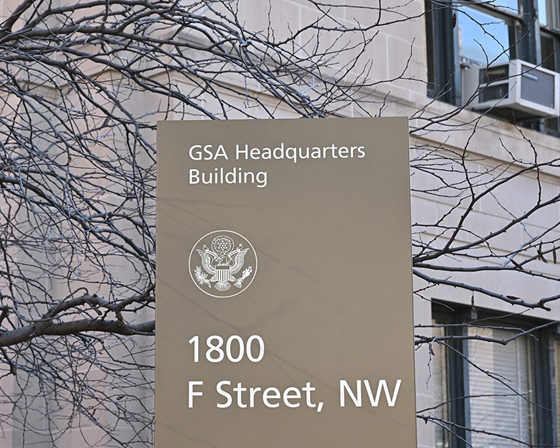
In recent months, the General Services Administration (GSA) has been moving quickly on multiple fronts to tighten oversight of federal contracting – from refreshing major contract vehicles to scrutinizing the role of value-added resellers (VARs). These efforts signal a shift toward stricter control of how agencies purchase services and technology[1]. At the same time, a dramatic move by the Treasury Department – canceling all contracts with a major consulting firm – has raised government-wide questions about how far this heightened scrutiny may extend[1].
For small business subcontractors, these developments could have significant ripple effects. With large consulting contracts under the microscope and new policies on the horizon, it’s important for smaller contractors to understand the changes underway. Below is a breakdown of the latest actions and what they mean for companies navigating federal subcontracting.
Consulting Contracts Under Scrutiny
Booz Allen Hamilton’s Washington, D.C. office. The firm was among the first targeted in GSA’s consulting contract review.
Large consulting firms have found themselves in the government’s crosshairs under a cost-cutting initiative that began in early 2025. The General Services Administration – under the Trump administration’s direction – launched a review of consulting contracts, asking agencies to justify their spending. GSA even called on top consulting vendors to “defend the spend,” instructing them to identify which of their programs were truly mission-critical and which could be eliminated[2]. This unprecedented exercise in self-scrutiny aimed to root out what officials saw as unsustainable growth and excessive costs in contracted services.
The results have been dramatic. By mid-2025, GSA reported that it had terminated more than 2,800 consulting contracts, representing about $23.2 billion in potential value, and claimed roughly $10 billion in savings for the government[3]. Agencies also slowed down new awards for consulting work as they reassessed these contracts[4]. Additionally, both the Defense Department and the federal Chief Information Officer warned agencies not to over-rely on consultants, even issuing policies to limit new consulting engagements unless absolutely necessary[5]. The message was clear: contracts that merely add cost without clear value are on the chopping block.
A recent flashpoint underscored how far this scrutiny can go. In January 2026, the Treasury Department took the highly unusual step of canceling all 31 of its contracts with Booz Allen Hamilton – one of the largest federal consulting and IT contractors – citing the firm’s failure to prevent a major data breach by a former employee[6][7]. Those contracts were relatively small (about $4.8 million in annual spending), but the blanket cancellation sent shockwaves through the contracting community[6]. Procurement experts noted that agencies almost never wipe out 100% of a vendor’s work in one swoop, calling the move an “overreaction”[8]. Treasury Secretary Scott Bessent defended the action as necessary to “root out waste, fraud and abuse,” emphasizing that Booz Allen had “failed to implement adequate safeguards” to protect sensitive taxpayer data[7].
For small businesses that subcontract under these large consulting contracts, this crackdown means a tougher environment. Big prime contractors are under pressure to justify every dollar and may be more cautious in bidding and pricing. Subcontractors should be prepared for closer scrutiny of their work as part of prime engagements, and ensure they can clearly demonstrate the value they deliver so they aren’t cut if programs face downsizing. On the upside, as agencies look to reduce reliance on giant consulting firms, there could be opportunities for smaller, specialized vendors to step in with more cost-effective solutions – provided they can prove their worth.
FAR Overhaul Brings Contract Changes
Alongside targeting specific contracts, GSA is implementing broad regulatory changes through what’s being called the Revolutionary FAR Overhaul (RFO). An executive order in March 2025 kicked off this initiative to streamline the Federal Acquisition Regulation (FAR) and its many agency-specific supplements[9]. In practical terms, this means GSA is updating the fine print in its contracts. By the end of January 2026, GSA had issued “Refresh #30” modifications to its Multiple Award Schedules and major GWACs (governmentwide acquisition contracts), incorporating a host of previously separate rules and class deviations into those contracts[9].
The scope of these changes is significant. Refresh #30 introduced revised versions of numerous contract clauses – adding at least 5 new clauses, eliminating 36 outdated ones, and replacing over 50 others in the GSA schedules and GWAC documents[10]. These updates touch on a range of requirements that contractors must follow, from cybersecurity and data reporting to labor regulations. GSA has given companies about 90 days to review and accept the new terms. For many businesses, especially small firms, digesting these updates will require careful attention to detail and prompt action.
To adapt to the FAR overhaul, contractors (primes and subs alike) should take proactive steps to remain compliant:
- Review the Refresh #30 changes for any GSA contracts you hold to understand exactly what clauses have been added or revised[10][11]. GSA has a website detailing the changes – make use of it.
- Conduct an internal audit of your current contract obligations versus the new clauses to identify any operational impacts. For example, check if there are new cybersecurity standards, reporting requirements, or subcontractor flow-down clauses that weren’t there before[11].
- Update your compliance programs and training to align with the new requirements so that your team doesn’t inadvertently violate updated rules[11]. It may be “bureaucratic,” as GSA officials admit, but it’s crucial to stay in step with where the government is going[12].
- Mind the acceptance timeline – GSA’s contract refresh comes with a deadline (around 90 days) for contractors to formally accept the modifications. Mark that date and ensure your contract manager or legal team processes the modifications in time[13]. Missing an acceptance window could put your ability to get new task orders on hold.
- Document your compliance efforts. Keep clear records that you have implemented the new clauses (updated procedures, staff training, system changes, etc.). This creates an audit trail in case an agency ever questions your adherence to the latest rules[11].
While combing through contract clauses is tedious, it’s not optional – failing to comply with new FAR and GSA requirements could put a small contractor at risk of lost work or penalties. On the other hand, those who stay ahead of these changes can turn compliance into a competitive advantage, signaling to primes and agencies that they are low-risk partners who keep up with federal mandates.
Value-Added Resellers in the Spotlight
Another area under examination is the role of value-added resellers (VARs) in federal IT procurement. Value-added resellers are companies that take products from original manufacturers and resell them to government agencies as part of a broader solution – often bundling in services like integration, configuration, and support. They do much more than just pass along products; many provide critical integration work and other services as part of their contracts[14]. In other words, the “value-added” is what they contribute beyond the product itself.
In late January 2026, GSA issued a request for information (RFI) specifically about VARs, seeking input from industry on what value these resellers truly bring to federal customers[14]. The timeline was tight – responses due by February 9 – underscoring GSA’s urgency in rethinking how agencies acquire IT products and services[15]. The RFI posed pointed questions such as: What integration and setup tasks do VARs perform? How do they coordinate delivery and handle customer service? In short, GSA is asking vendors to spell out how they add value beyond simply marking up and reselling technology[16].
GSA’s inquiry is driven in part by its OneGov initiative, which aims to leverage the buying power of the entire federal government to negotiate better prices on commercial products[17]. If agencies can buy directly from manufacturers or through centralized contracts at lower cost, GSA wants to ensure that any middlemen are truly earning their keep. In fact, officials have hinted that they might consider capping the mark-up fees that resellers can charge, depending on what the data and industry feedback show[18].
For small business VARs (which are common in the IT resale market), this is a critical moment. GSA’s RFI is a chance for these firms to explain the indispensable services they provide – for example, bundling multiple products into a cohesive solution, integrating systems on-site, managing warranties and maintenance, and generally simplifying the procurement process for agencies. Industry advocates are encouraging resellers to make their voices heard, emphasizing that these companies often live up to their “value-added” title by doing far more than just taking orders and shipping boxes[19][18]. Still, resellers should be prepared for potential changes ahead – such as limits on profit margins – and may need to adjust by focusing even more on the unique expertise and support they offer beyond the product itself.
Preparing for Changes in the Federal Market
All of these efforts – cutting back on consulting spend, updating acquisition regulations, and scrutinizing resellers – point to a federal market that is placing a premium on efficiency, accountability, and demonstrable value. For small business contractors, navigating this landscape will require agility and awareness. Here are a few strategies to consider going forward:
- Stay informed on policy updates: Keep track of acquisition news (GSA memos, RFIs, FAR rule changes, etc.) through reliable sources. Understanding the direction agencies are heading will help you anticipate shifts in demand or compliance requirements.
- Demonstrate clear value: Whether you provide consulting services, IT solutions, or any other support, be prepared to quantify and communicate the value you bring. If you’re a subcontractor on a large program, make sure the prime contractor knows your contributions. In an era of scrutiny, contracts that show concrete outcomes and cost-effectiveness are less likely to face cuts.
- Diversify and be flexible: Given the slow-down in some consulting awards[4], consider broadening the types of contracts or agencies you pursue. If one niche is tightening, look for opportunities in other areas where your capabilities fit. Likewise, be open to new business models – for example, partnering directly with manufacturers if you’re a reseller, or focusing on outcome-based projects if agencies are shifting toward performance-driven contracts.
- Ensure rock-solid compliance: Treat regulatory compliance as a priority. If the government updates cybersecurity rules, labor standards, or other requirements, invest the time to comply and document that compliance. Small firms can’t afford a misstep here – a violation could mean losing a contract or being excluded from future opportunities.
- Engage and respond: When the government offers industry days, RFIs, or comment periods (like the VAR RFI), take the time to participate. Providing feedback not only helps shape policies but also signals to customers that you’re proactive and invested. Small businesses can be heard in these forums, especially if you articulate how proposed changes might impact your ability to deliver value.
Ultimately, the message from GSA and other federal leaders is clear: they want the best value for the taxpayer’s dollar, whether that means driving harder bargains on services or cutting out layers in the supply chain. Small contractors who align with that goal – by being cost-conscious, innovative, and transparent – can not only survive these changes but potentially find new opportunities as the government seeks fresh solutions.
Procura: Helping Small Contractors Stay Ahead – As you adapt to this evolving federal contracting environment, having the right tools and intelligence is essential. Procura is an AI-powered federal contract search and analysis platform designed for small businesses. It continuously scans SAM.gov for new opportunities, reads full solicitation packages, and matches them to your company’s capabilities – saving you countless hours of manual research[20]. By leveraging Procura’s smart insights, you can quickly identify bids that fit your strengths and stay on top of regulatory changes, allowing you to focus on crafting winning proposals and delivering value. In a climate where every advantage counts, Procura can help you navigate the federal market and find success even as the rules of the game are changing.
Meet with the Procura Team to See How We Can Help

[1] [9] [10] [11] [12] [13] [14] [15] [16] [17] [18] [19] GSA squeezes consulting firms and value-added resellers, moves out on FAR overhaul | Federal News Network
[2] Josh Gruenbaum: How The Wash100 Winner Is Shaking Up GovCon https://www.wash100.com/blog/josh-gruenbaum-gsa-fas-acquisition-reform-doge/
[3] [4] [5] [6] [7] [8] Treasury cuts ties with Booz Allen over tax records breach | Federal News Network https://federalnewsnetwork.com/contracting/2026/01/treasury-cuts-ties-with-booz-allen-over-tax-records-breach/
[20] Procura Federal – AI-Powered Federal Contract Search & Analysis