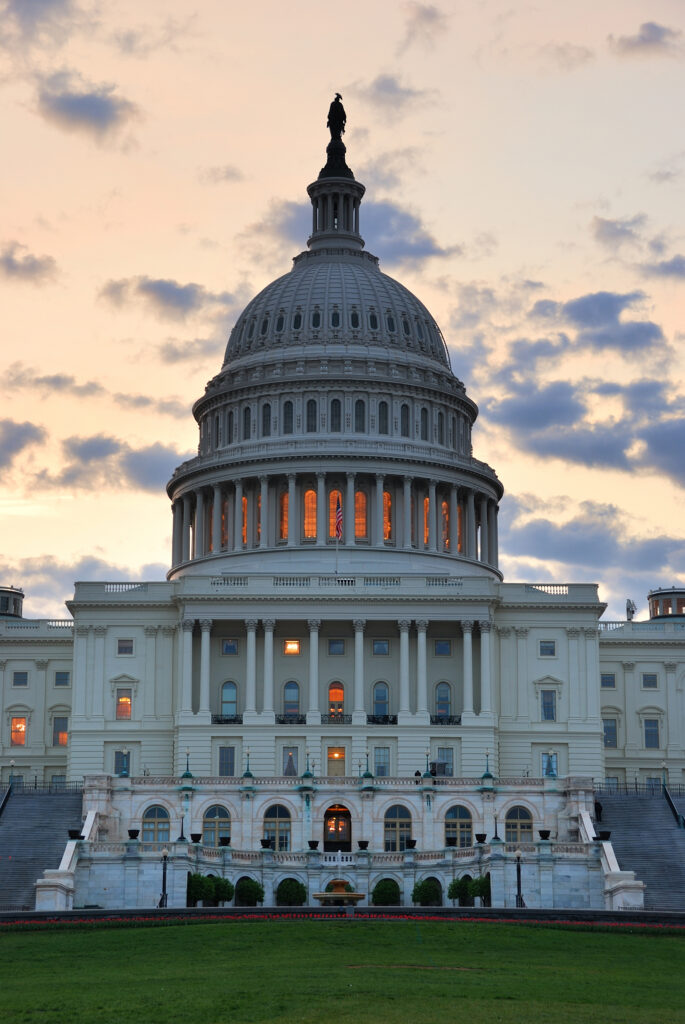
Shutdown Status and Latest Legislative Updates (Jan 30, 2026)
As of January 30, 2026, the U.S. federal government faces a funding deadline at midnight, and lawmakers are in a race against time to prevent a partial shutdown. Dozens of federal agencies are set to see their funding lapse at 12:01 a.m. on January 31 unless Congress finalizes a new spending agreement[1]. Here’s where things stand today:
- Senate Deal to Avert Shutdown: On Thursday (Jan 29), Senate Democratic leaders struck a bipartisan deal with the White House and GOP senators to avoid a shutdown. The agreement would separate funding for the Department of Homeland Security (DHS) from a package of six remaining appropriations bills[2]. Under this plan, Congress would pass five of the bills to fund major agencies like Defense, Labor, Education, Transportation, HUD, State, and others through the end of fiscal 2026, while extending DHS funding for two more weeks at current levels[2]. This two-week DHS continuing resolution is intended to buy time for negotiations over new immigration enforcement limits, which Democrats demanded after recent incidents[3][4].
- Thursday Night Setback: Despite the deal’s broad support – even President Trump publicly endorsed it and urged a bipartisan “YES” vote[5] – the Senate failed to fast-track the legislation on Jan 29. A test cloture vote fell short, 44-55, as several Republicans joined Democrats to block moving forward on the full package that included DHS funding[6]. Later, when leaders tried to approve the compromise by unanimous consent, Sen. Lindsey Graham (R-SC) objected, calling the DHS deal “a bad deal” and placing a hold on the measure[7][8]. Graham and a few others opposed carving out full-year DHS funding, arguing it “demonized” immigration officers and removed a provision allowing certain senators to sue over past record seizures[8][9]. As a result, the Senate adjourned late Thursday without a vote, with Majority Leader John Thune acknowledging “snags on both sides” and hoping for progress Friday[10].
- Friday – Last-Minute Scramble: The Senate reconvened at 11 a.m. ET today to resume consideration of the funding package[11]. To beat the midnight deadline, all 100 senators would need to agree to expedite the process, or else formal votes (like a 60-vote cloture) could drag beyond the cutoff[12]. As of midday, no votes were yet scheduled[13], indicating ongoing behind-the-scenes negotiations to win over holdouts. Senate leaders are racing the clock, but funding is almost certain to lapse at midnight given the tight timeline and procedural hurdles[1][14].
- House Not in Session: A key wrinkle is the House of Representatives. The House already passed the six-bill funding package on Jan 22, but if the Senate amends it (by swapping in the DHS stopgap), the revised legislation must return to the House for approval[15][16]. Unfortunately, the House is out of session until Monday, Feb. 2, and Speaker Mike Johnson indicated recalling members early “may not be possible”[17][18]. This means even if the Senate reaches a deal today, a brief partial government shutdown starting tonight is highly likely, since the House cannot vote to send a final bill to the President in time[19]. Lawmakers from both parties have signaled that any shutdown would be short-lived, lasting only until the House convenes and approves the fix early next week[20][21]. There is little appetite in Washington for a repeat of last fall’s prolonged shutdown (which dragged on 43 days)[22][21].
Bottom line: Heading into Friday evening, a partial federal government shutdown could begin at midnight tonight absent an 11th-hour breakthrough. The Senate’s compromise – funding most agencies for the full year and punting DHS issues for 2 weeks – has broad support[23][24]. But until it clears the Senate and the House, agencies and contractors must brace for at least a weekend shutdown. About half of federal agencies (those not already funded by earlier bills) will have to cease operations starting tomorrow if no extension passes[25]. This includes major departments like Defense, Homeland Security, Labor, Health & Human Services, Education, Transportation, HUD, Treasury, State, and more[26]. The coming hours will determine whether the government avoids hitting the shutdown wall – or enters a short funding lapse before Congress finalizes its deal.
Impacts on Small Federal Contractors and Subcontractors
For federal contractors – especially small businesses and subcontractors – the uncertainty in Congress is nerve-racking. Whether the shutdown lasts only a few days or longer, even a brief pause in funding can have tangible consequences for those who rely on federal contracts:
- Contract Work Stoppages: If funding expires, agencies affected by the lapse will issue stop-work orders for many contracts. Non-essential federal employees will be furloughed, and government facilities closed, meaning contractors often cannot access government sites or personnel[27][28]. Small contractors working on projects for unfunded agencies (like DHS, DOD, EPA, SBA, etc.) may have to halt work until the government reopens. Subcontractors are impacted too – if a prime contractor receives a stop-work order, that flows down and subcontractors must also stop work to avoid doing unreimbursed work. Prime companies should promptly inform their subs of any shutdown directives[29].
- Payment Delays and Cash Flow Crunch: During a shutdown, no new contracts or modifications will be issued, and invoices will not be paid until appropriations resume[28]. For small businesses with limited capital, these payment delays are perilous. Many federal contractors operate on thin cash flow, and a pause of even a couple weeks in payments can jeopardize the ability to meet payroll or cover overhead. Notably, contractor employees generally do not receive back pay for shutdown days once work stops, unlike federal civil servants[30]. Industry groups estimate over a million contractor employees could face lost pay in a shutdown, with small and mid-sized firms hit hardest by the disruption to revenue[30]. This can mean “devastating cash flow disruptions and workforce losses” for those small businesses that form the backbone of the federal contracting base[31][32]. In practical terms, a short shutdown of a few days might have minimal long-term effect on agencies, but for a small contractor, losing a week of billable work can be the difference between profit and loss for the month.
- Contract Awards and Renewals on Hold: The uncertainty in Washington also causes procurement delays. Agencies typically postpone awarding new contracts, issuing solicitations, or making renewals when a shutdown is looming or ongoing[33]. Small businesses awaiting a contract award or hoping to win new government work in Q1 2026 might see those timelines slip. For example, if you bid on an RFP and agency staff are furloughed, the award decision could be delayed until staff return. Subcontractors waiting on prime contract awards (to then receive subcontracts) face a double delay. This ripple effect can particularly hurt emerging contractors who need new awards to keep their pipeline flowing.
- Lost Productivity and Added Costs: Even if the shutdown only lasts a short time, stopping and restarting work can reduce efficiency. Contractors may have to reallocate employees to other work or furlough them, then ramp back up. Small firms don’t have large benches of spare staff, so idle time is often lost time. In some cases contractors might choose to keep critical personnel working at risk (unpaid) to avoid project slippage, but this comes with financial risk – if the government hasn’t authorized work during the funding lapse, there’s no guarantee of payment for those hours[34][35]. This is an especially precarious gamble for a small business or a subcontractor with tight margins.
- Subcontractor Vulnerabilities: Subcontractors often face the shutdown’s impacts indirectly but acutely. They are one step removed from the government customer, so communication can lag. A small sub might not get timely notice that a project is on hold if their prime contractor is scrambling. Furthermore, many subs rely on primes for payment – if the prime isn’t paid by the government, the sub’s invoices to the prime may also be delayed. Small sub firms have even less cushion to absorb late payments. It’s critical for subs to stay in close contact with their prime contract managers as the shutdown unfolds and ensure they halt work if directed. As one legal advisory warns primes: if a contracting officer orders work to stop, you must make sure your subcontractors also stop – otherwise you (the prime) could be liable to pay the sub out-of-pocket for work the government won’t fund[29]. This dynamic shows how shutdown pain cascades through the supply chain, often landing hardest on the smallest links.
In short, small federal contractors and subcontractors are bracing for impact. The new congressional compromise (if enacted) actually offers a silver lining: it would fund most agencies for the remainder of the fiscal year, eliminating further shutdown threats for those agencies. That would bring relief and stability to contractors serving those departments. However, the DHS piece remains a wildcard – any firm contracting with DHS (or subcontracting under a DHS program) now faces two more weeks of uncertainty until a longer-term agreement is reached. Small businesses in the defense and civilian agency space will be watching closely: every day of delay or confusion can translate to real dollars lost for their companies. Now more than ever, contractors must be prepared to weather a short disruption and position themselves to bounce back quickly once funding is restored.
Proactive Steps Contractors Can Take Today
With a shutdown potentially hours away, small businesses should take proactive steps immediately to mitigate damage. By being prepared and strategic, federal contractors can cushion the blow and even use the downtime productively. Here are key steps to take right now before (and during) a short shutdown:
- Wrap Up Critical Actions Before the Deadline: Submit any final invoices, reports, or deliverables today if possible. If you have billable work completed, get those invoices in now – agencies won’t process payments during a shutdown, so you want to be in the queue once they reopen. Likewise, finish and deliver any contract deliverables due in the near term. PilieroMazza’s government contracting experts advise settling as many outstanding issues as you can before funding lapses (e.g. get approvals on recent deliverables, push through any pending contract modifications)[36]. Every item you clear now is one less thing stalled by the shutdown.
- Communicate with Contracting Officers and CORs: Reach out to your Contracting Officer (CO) or Contracting Officer’s Representative (COR) before the shutdown to request guidance in writing. Ask whether you should continue any performance during a lapse or halt work, and get any stop-work orders in writing. Remember that once the government shuts down, your CO may be furloughed and unreachable[37]. So if you need clarity (for example, your contract is funded by prior-year money and might continue – or it’s exempt work), find out now. Document all communications. If you receive oral instructions, send a confirming email so you have a record. Having written direction can protect you if there are disputes later about whether you should be paid for work during the shutdown[38].
- Review Your Contract Clauses (Stop-Work, Termination, etc.): It’s crucial to understand your contractual rights and obligations during a funding gap[39]. Many federal contracts include FAR clauses for stop-work orders (FAR 52.242-15) or funding limitation clauses (FAR 52.232-18). Know what they allow. A stop-work order typically entitles you to an equitable adjustment for certain costs once work resumes. However, you often must assert your right to an adjustment within 30 days after work stoppage, so mark your calendar[40]. If no formal stop-work order is issued but you cannot proceed (e.g. facility closed, government personnel unavailable), that is a gray area – generally you should not continue work in such cases, to avoid doing so “at risk.” Familiarize yourself with the Anti-Deficiency Act implications: federal officials can’t legally authorize work without funding, so if someone informally suggests “keep working,” know that lacks legal force and payment is not guaranteed[41][35]. In short, pause work if funding isn’t there, unless you have written exception.
- Coordinate with Employees and Subcontractors: Assemble your team today and plan for how you will handle a shutdown. Communicate transparently with your staff about whether they should report to work if their project is halted. For many small businesses, it may mean asking employees to shift to other billable work (if any) or take leave if there’s no work – tough decisions, but better to discuss upfront. Similarly, reach out to any subcontractors you manage. As noted, if your contract stops, you must formally instruct subs to stop work as well[29]. Don’t assume they know – a quick email or call can save headaches (and liability) later. Advise subs on how to secure their sites or data during the pause and to stand by for restart instructions.
- Secure and Backup Project Data: If there’s a chance you’ll be locked out of federal facilities or systems, make sure you’ve saved any work-in-progress on your own drives (while respecting security rules). For example, if you use government-furnished IT systems that might go offline, download any essential files you’re allowed to keep. This way your team can continue proposal work or other tasks offline if needed. Also, log your hours and expenses up to the stop—good recordkeeping will support any equitable adjustment claims later.
- Financial Contingency Planning: Assess your cash reserves and financial options to ride out a short gap. Can your business handle a week or more with delayed revenue? If funds are tight, consider talking to your bank now about a line of credit increase or bridging loan. Some contractors turn to invoice factoring for federal receivables, though for a truly short shutdown this may not be necessary. Cut non-essential spending during the shutdown period – preserve cash for payroll and critical expenses. If the shutdown drags beyond a few days, you may need to prioritize which obligations to pay. Having a plan in advance will reduce panic and rash decisions. Remember, most small contractors will eventually get paid for work done (once the government reopens and pays invoices), so this is about timing and liquidity. It’s prudent to also document any costs directly caused by the shutdown (idle labor, etc.) – while you might not recover those easily, tracking them can help in negotiations or if agencies allow adjustments.
- Stay Informed and Use the Time Wisely: Lastly, keep monitoring official updates from agencies, OMB, and Congress. Agencies will publish contingency plans – for instance, the Department of Defense or NASA might issue public memos on how contractors are affected. These can give clues on what activities continue. Utilize the forced downtime to catch up on internal training, proposal writing for future opportunities, or marketing to non-federal clients if applicable. In a sense, treat each day of shutdown as an unexpected “free” day to strengthen your business. Update your capability statement, refine your capture strategy, or research upcoming procurements. By being productive, you’ll reduce the anxiety of waiting. And when the government reopens (likely soon), you’ll be ready to hit the ground running.
In summary, proactive communication and preparation are the small contractor’s best defense against a shutdown. You can’t control what Congress does today, but you can control your readiness. Taking the steps above will help protect your interests, ensure you follow the rules during the funding lapse, and position your company to recover quickly once this uncertainty passes.
How Procura Federal Supports Small Businesses During Disruptions
Periods of government funding uncertainty are exactly when small contractors need to work smarter and leaner. Procura Federal offers an AI-driven platform that helps small businesses win more federal contracts while reducing costs, which is especially valuable during disruptive times like a shutdown. Here’s how Procura Federal can make a difference for contractors facing the current turmoil:
- Stay on Top of Opportunities (Even During a Shutdown): Procura Federal continuously scans SAM.gov and other federal procurement data in real time, using AI to flag opportunities that match your business. Even if agency contracting offices are quiet during a shutdown, new solicitations and updates will surge as soon as the government reopens. Procura’s system will alert you the moment opportunities are posted or resume moving. That means you won’t miss a beat – while others are scrambling after the shutdown, your team can immediately zero in on the bids that matter. The platform reads full RFP packages and scores them for fit against your capabilities[42][43], saving you days of manual research. In an uncertain environment, this rapid insight is a competitive edge.
- Do More with Less – Save Time and Money: Small businesses often lack large proposal teams or expensive market research tools, and a shutdown might force you to cut back even further. Procura Federal was designed to be 10× more affordable than traditional enterprise capture solutions[44], making high-end contracting intelligence accessible to small firms. By automating labor-intensive tasks – like searching SAM.gov, reading lengthy RFP documents, and tracking contract trends – Procura helps you reclaim hundreds of hours of business development time[45][46]. Those are hours you don’t have to pay an employee to spend on tedious work, directly reducing your operating costs. In fact, businesses using Procura have reviewed nearly 880,000 opportunities, saving over $183 million worth of BD hours that would have been spent manually sifting through solicitations[45]. During a shutdown, when every dollar counts, such efficiency means you can maintain your pipeline efforts without overspending. It’s like having a virtual analyst working 24/7 for a fraction of the cost, which is crucial when cash flow is tight.
- Focus on Winning Contracts, Not Finding Them: Procura Federal’s motto is “Focus on winning, not finding,” and that couldn’t be more relevant now[47][48]. Instead of pouring resources into hunting for new contracts or parsing confusing government databases, Procura lets your small team concentrate on strategy and proposal quality. The platform’s AI provides executive-ready summaries and key insights for each opportunity[49]. This means when the procurement floodgates reopen post-shutdown, you can quickly decide which opportunities to bid on and devote your energy to crafting winning proposals – not bogged down in paperwork. By automatically analyzing solicitations (including all attachments, statements of work, etc.), Procura often unearths hidden requirements or risks that you might have missed on your own[50][51]. That insight can be the difference between a losing bid and a winning one. Essentially, Procura Federal acts like an AI contracting analyst on your team, ensuring you are ready to capitalize on opportunities as soon as they arise.
- Mitigate Disruption and Plan Ahead: A smart tool like Procura also helps you adapt to changing circumstances. For instance, with the DHS funding in flux for the next two weeks, you might want to explore contract opportunities with agencies that are now fully funded (Defense, HHS, etc.). Procura’s filtering and search capabilities make it easy to find opportunities by agency, NAICS code, or keyword – so you could pivot focus to more stable sectors until DHS issues are resolved. The platform keeps historical data and tracks trends, so you can identify patterns (perhaps DHS solicitations might pick up again in mid-February if a deal is reached). By having this market intelligence at your fingertips, your small business can make informed decisions on where to invest its bid and proposal efforts amid the uncertainty. Procura Federal essentially gives you strategic foresight, highlighting trends and letting you see what competitors might miss[52]. In unpredictable times, that kind of information is power.
- Community and Support: When you use Procura, you’re also joining a community of forward-thinking small government contractors. The platform’s team provides resources, guides (like how to register on SAM.gov, optimize your capability statement, etc.), and responsive support. Small businesses often don’t have dedicated proposal managers – Procura can fill some of that gap not just with tech, but with shared knowledge. As the shutdown situation evolves, having a partner like Procura means you’re not navigating federal market changes alone; you have a tool and team keeping you informed.
In conclusion, while the federal funding stalemate is creating headaches for contractors, it’s also a reminder of why having efficient processes and smart tools is so important. Procura Federal helps small contractors not only weather these periods of disruption but come out ahead – by streamlining contract discovery, reducing costs, and enabling you to win more contracts with less effort. When the government gets back to business, you want to be ready to seize the opportunities that will surely follow. Procura gives you that readiness, turning a chaotic time into an opportunity to optimize and strategize.
Don’t let the shutdown uncertainty stall your growth. This is the moment to leverage technology and ingenuity to keep your federal contracting on track. Procura Federal’s AI-powered platform is a game-changing solution that can keep your business moving forward even when Washington, D.C. hits pause. Why not use this downtime to explore how Procura can help your company save time, cut costs, and position itself for success when the government reopens? Learn more about Procura Federal and see how you can turn shutdown challenges into contracting opportunities. With the right tools and preparation, your small business can not only survive a government shutdown – it can set the stage to thrive when the awards start flowing again.
ـ Ready to future-proof your federal contracting strategy? Visit Procura Federal for a demo or free trial, and arm your business with the capabilities to outsmart uncertainty. Don’t wait for Congress – take control of your contracting future today. Explore Procura Federal’s platform now and keep your growth on track, even in the face of shutdowns. It’s a smart move that will pay dividends long after this shutdown saga concludes. [44][48]
Meet with the Procura Team to See How We Can Help

[1] [2] [11] [12] [13] [14] [21] Government shutdown deadline just hours away as Senate works to pass funding deal
https://www.cbsnews.com/live-updates/government-shutdown-deadline-senate-funding-deal
[3] [4] [20] [22] [23] Odds of US government shutdown rise after funding deal stalls in Senate | Reuters
[5] [7] [8] [9] [10] [15] [16] [24] Senate spending deal runs into ‘hotline’ headwinds – Roll Call
https://rollcall.com/2026/01/29/bipartisan-deal-reached-on-homeland-security-stopgap-bill
[6] [19] Trump says deal reached on stopgap spending bill for DHS, but weekend shutdown still possible | Federal News Network https://federalnewsnetwork.com/congress/2026/01/trump-says-negotiations-to-avoid-shutdown-are-close-after-senate-blocks-early-vote-on-spending-package-with-dhs-funding/
[17] [18] Government funding negotiations hit snag after Democrats announce deal – ABC News
[25] Path to averting a shutdown remains elusive as lawmakers debate DHS funding – Government Executive
[26] [27] [28] [29] [33] [36] [37] [39] [40] January 2026: Partial Government Shutdown Imminent—Key Considerations for Federal Contractors | PilieroMazza, Law Firm, Government Contracts Attorney https://www.pilieromazza.com/january-2026-partial-government-shutdown-imminent-key-considerations-for-federal-contractors/
[30] [31] [32] Shutdown’s ripple effect: Contractors, small businesses face devastating economic hit – Government Executive
[34] [35] [38] [41] Government Contractors Working “At Risk” During a Shutdown: Key Considerations | BuildSmart https://www.buildsmartbradley.com/2025/10/government-contractors-working-at-risk-during-a-shutdown-key-considerations/
[42] [43] [44] [45] [46] [47] [48] [49] [50] [51] [52] Procura Federal – AI-Powered Federal Contract Search & Analysis