
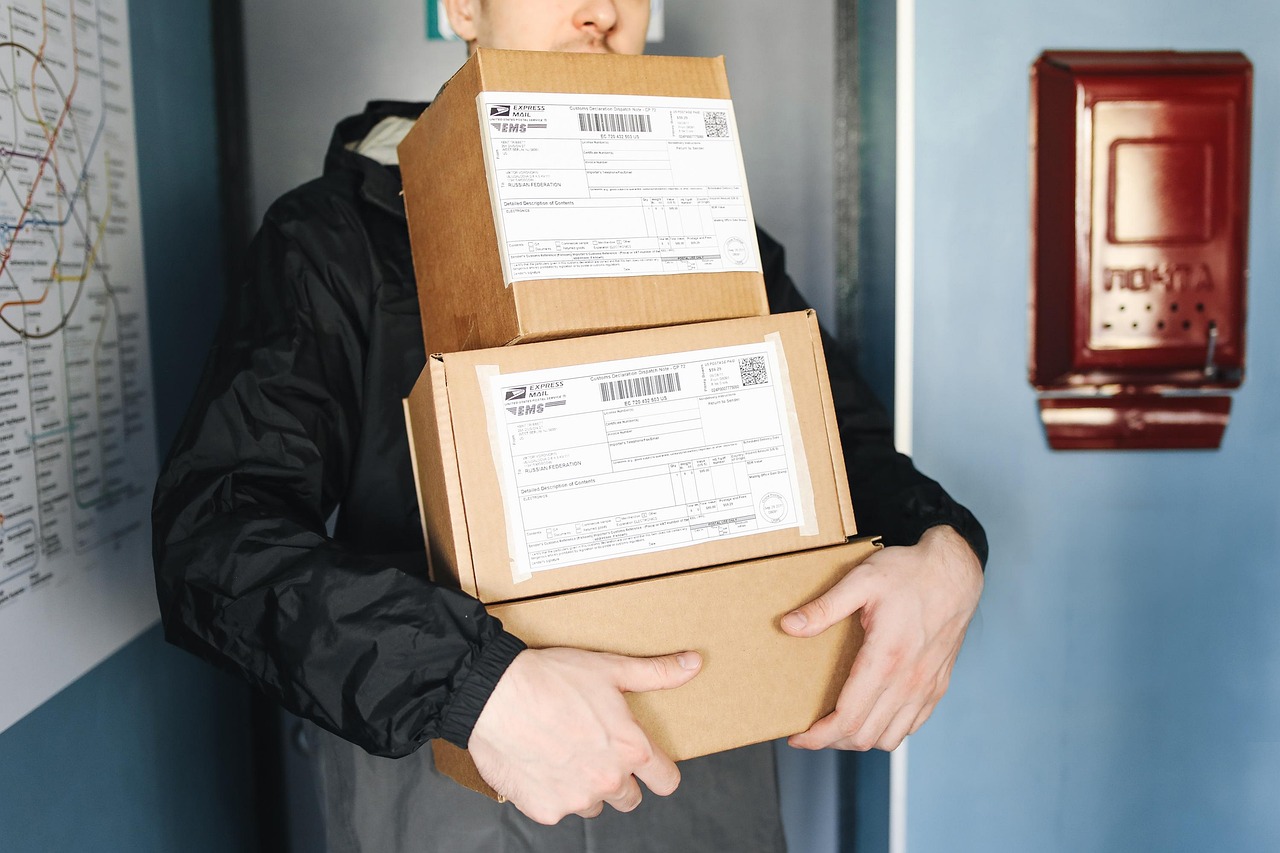
Government courier contracts averaged $55 million a year in federal obligations from fiscal year 2021 through 2025, per USASpending.gov. The Department of Veterans Affairs (VA) bought two-thirds of that work, while small businesses won 63 percent of the dollars.
For example, Albany’s Stratton VA Medical Center shows what the work looks like. Its September 2026 solicitation covers lab specimens, pharmaceuticals, medical supplies, office supplies, and mail. Specifically, a courier moves them between the medical center and its community-based outpatient clinics on a set schedule.
That scope carries more rules than a commercial delivery account. For example, your NAICS code sets the size standard, and SBA veteran certification decides who can bid on VA’s veteran set-asides. Also, your minimum pay comes from the Service Contract Act, and your insurance floor comes from the FAR. In short, each rule can remove an otherwise strong offer.
Who buys government courier contracts?
VA buys most government courier contracts. It obligated $37.6 million on courier contracts in fiscal year 2025, more than every other agency combined.
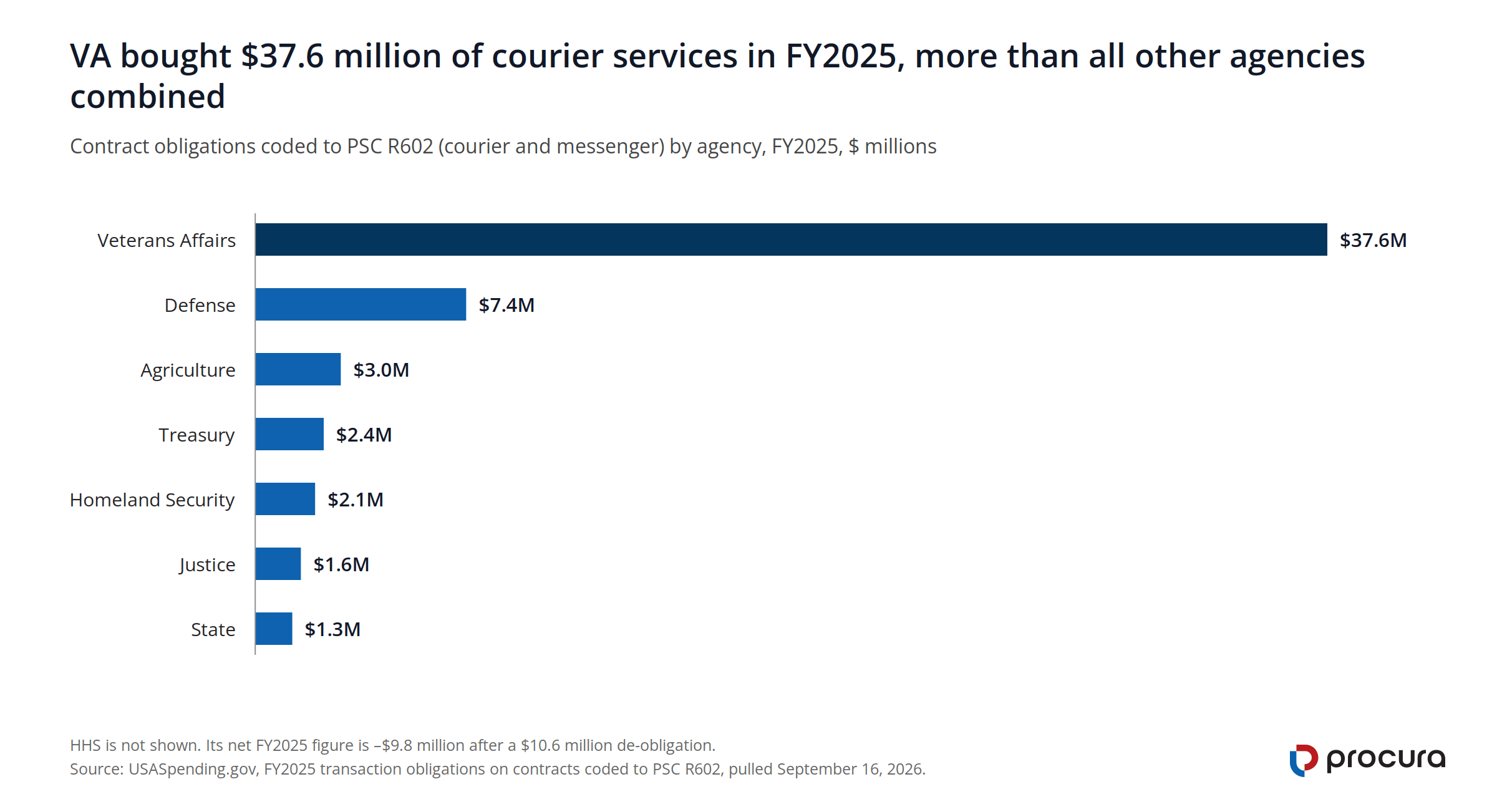
Data table: FY2025 courier obligations by agency
| Agency | FY2025 courier obligations | Largest buyers inside the agency |
|---|---|---|
| Department of Veterans Affairs | $37.6 million | VA medical centers and their clinics |
| Department of Defense | $7.4 million | Navy ($3.4 million), Defense Health Agency ($2.0 million) |
| Department of Agriculture | $3.0 million | Food Safety and Inspection Service ($2.7 million) |
| Department of the Treasury | $2.4 million | IRS ($1.3 million), Bureau of the Fiscal Service ($1.1 million) |
| Department of Homeland Security | $2.1 million | ICE ($1.1 million), CBP ($0.8 million) |
| Department of Justice | $1.6 million | Bureau of Prisons ($1.1 million) |
| Department of State | $1.3 million | State Department offices ($1.3 million) |
Which other agencies buy courier services?
Meanwhile, DoD is a distant second at $7.4 million. Inside DoD, the Navy buys mail support, while the Defense Health Agency and Air Force bases buy medical courier routes for military hospitals and clinics.
Other buyers are generally small and specific. For example, USDA’s Food Safety and Inspection Service (FSIS) ships lab samples, and the IRS contracts with an armored car company for courier service. Also, in September 2026, the State Department posted a diplomatic courier support requirement as a WOSB program set-aside.
However, not all of this money goes to local couriers. For instance, FedEx holds the FSIS sample-shipping orders, and UPS holds an EPA overnight shipping order and a VA pharmacy delivery order. So for a small courier company, the opportunity is the scheduled route, not national parcel volume. Finally, box truck and freight work is a separate market, and the trucking contracts guide explains it.
How much of the courier market goes to small business?
Small businesses won $37.8 million in courier obligations in fiscal year 2025. That is 18 percent more than the $32.0 million they won in fiscal year 2021.
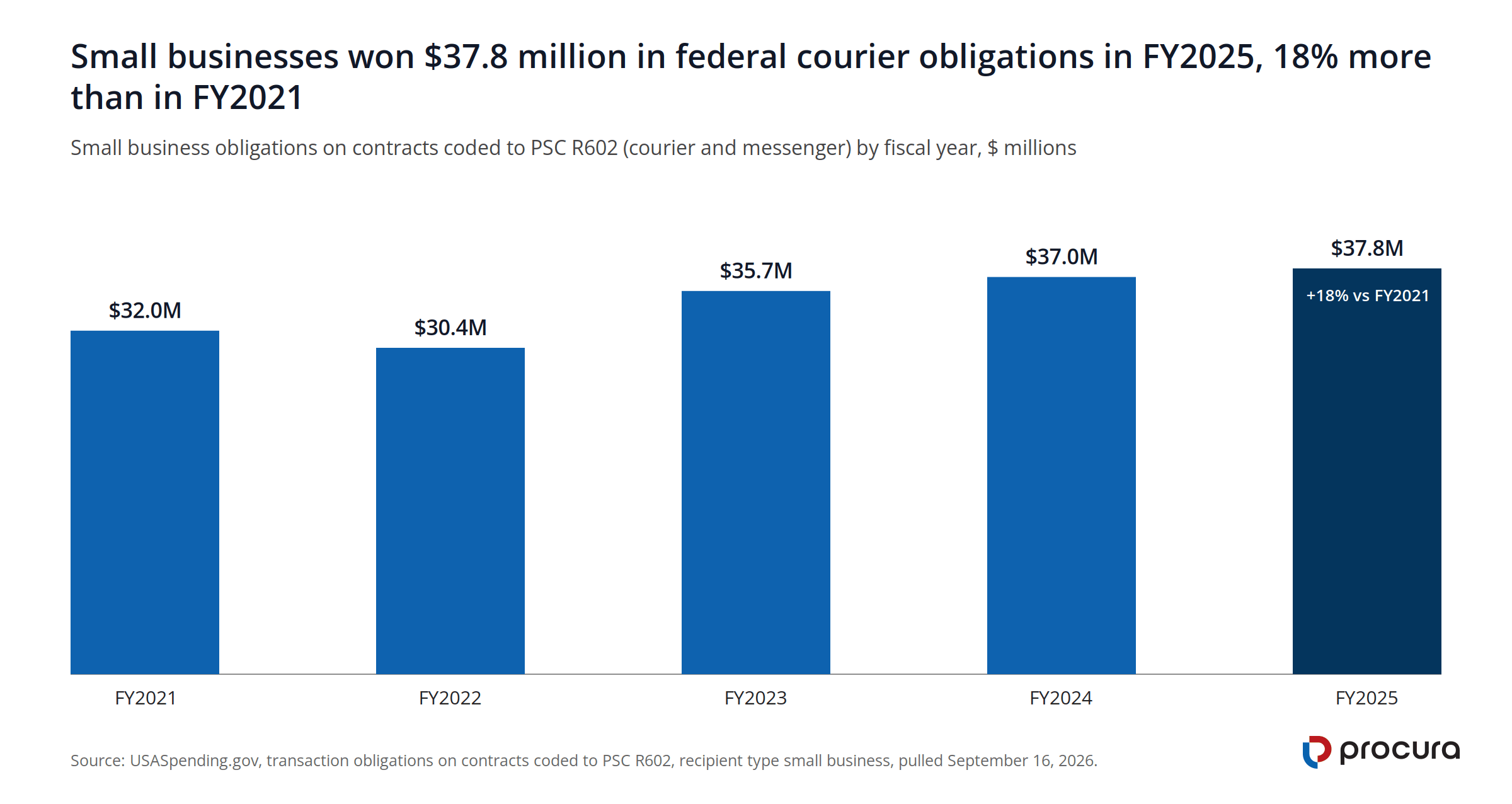
Data table: courier obligations and small business share, FY2021 to FY2025
| Fiscal year | All courier obligations | Small business obligations | Small business share |
|---|---|---|---|
| FY2021 | $54.6 million | $32.0 million | 59% |
| FY2022 | $52.4 million | $30.4 million | 58% |
| FY2023 | $60.2 million | $35.7 million | 59% |
| FY2024 | $57.9 million | $37.0 million | 64% |
| FY2025 | $47.8 million | $37.8 million | 79% |
However, total spending did not grow. Instead, it stayed between $47.8 million and $60.2 million a year, and the fiscal year 2025 low has a simple cause. Specifically, at HHS, the Office of the Assistant Secretary for Administration de-obligated $10.6 million, which pulled the net total down.
Without that de-obligation, the fiscal year 2025 total comes to about $58 million, and the small business share is about 65 percent. Also, service-disabled veteran-owned small business (SDVOSB) set-asides carried $11.5 million that year. SDVOSB sole-source awards added another $3.2 million.
Before a set-aside matters, your SAM.gov record must carry the right codes.
Which NAICS codes fit a courier company?
Federal courier solicitations use one product and service code, R602, and two NAICS codes. Each solicitation’s NAICS code sets the size standard, so list the two codes in your SAM.gov registration.
| Code | Title | SBA size standard | Used in these 2026 notices |
|---|---|---|---|
| NAICS 492110 | Couriers and Express Delivery Services | 1,500 employees | VA Sierra Nevada (Reno), VA Louisville, Defense Health Agency Oahu |
| NAICS 492210 | Local Messengers and Local Delivery | $34.0 million in average annual receipts | VA Stratton (Albany), VA Puget Sound (Seattle) |
| PSC R602 | Support, administrative: courier and messenger | Not applicable (a product and service code has no size standard) | All five notices |
However, each standard measures a different thing. NAICS 492110 counts employees, so a courier company with 400 drivers is still small under that code. NAICS 492210 counts average annual receipts, so a company with $40 million in receipts is not small under it.
Similarly, your capability statement needs the same precision. So name your service area, vehicle types, temperature controls, and specimen experience. VA uses sources sought notices to count capable firms before it picks a set-aside.
How do you get medical courier contracts from the government?
Federal medical courier work comes mostly from VA medical centers, although military hospitals buy it too. Specifically, SAM.gov notices from August and September 2026 show four kinds of work:
- Lab specimen routes, such as the VA Sierra Nevada Health Care System requirement in Reno, Nevada
- Pharmacy deliveries with on-demand runs, such as the Bay Pines, Florida, sources sought notice
- Transport of used surgical instruments to a sterile processing site, such as the VA Northern California requirement due October 7, 2026
- Hospital routes on military installations, such as the Defense Health Agency RFQ for Tripler Army Medical Center on Oahu
What rules apply to specimen transport?
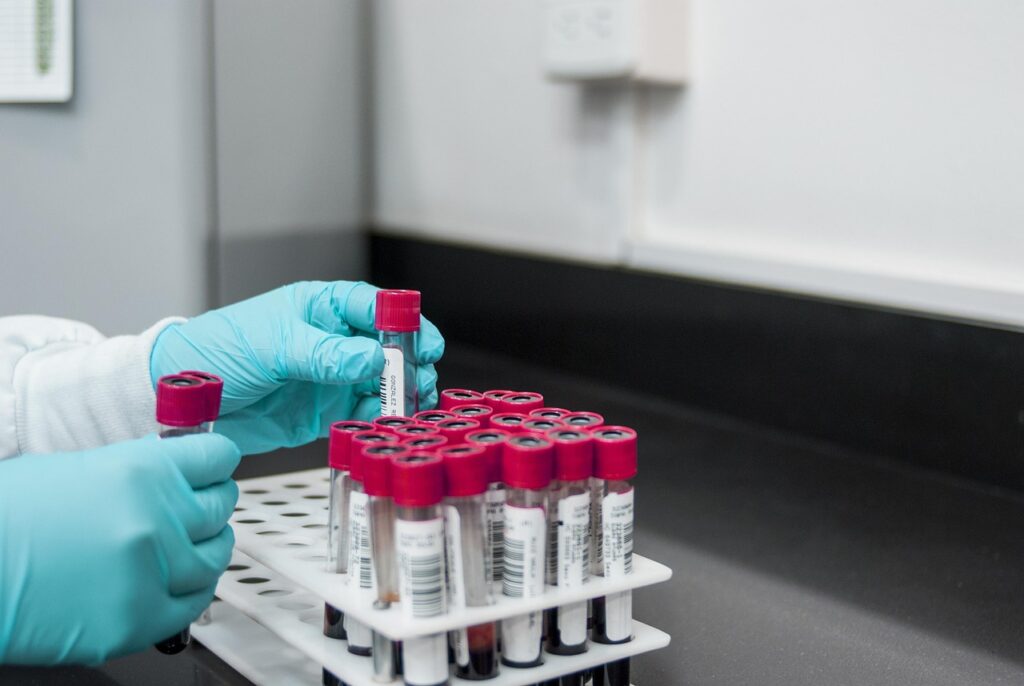
Two federal rules apply directly. First, 49 CFR 173.199 sets triple packaging for a Category B infectious substance: a primary receptacle, secondary packaging, and a rigid outer packaging. Second, OSHA’s bloodborne pathogens standard applies to occupational exposure to blood and other potentially infectious materials. Read the two rules before your drivers carry a specimen.
Do medical couriers need a HIPAA business associate agreement?
Not if your company only transports the protected information. HHS FAQ 245 answers this question. In fact, a covered entity can use a courier that is only a conduit for protected health information without a business associate contract. Furthermore, HHS describes a conduit as a courier that transports the information and does not access it, except on a random or infrequent basis. VA solicitations can still add their own privacy training or security terms, so read the performance work statement.
How does VA’s Veterans First program decide who wins?
VA follows a contracting order of priority that comes from 38 U.S.C. 8127. VAAR 819.7005 puts SDVOSBs first and veteran-owned small businesses (VOSBs) second, ahead of 8(a) firms and other small business programs.
Similarly, VAAR 819.7006 sets the test for an SDVOSB set-aside. Specifically, market research must show that two or more eligible SDVOSBs will make offers at a fair and reasonable price.
Also, eligibility now runs through SBA. Since January 1, 2023, SBA certifies SDVOSBs and VOSBs through its Veteran Small Business Certification program, called VetCert. As a result, a firm without that certification cannot receive an SDVOSB or VOSB set-aside award. I run a veteran-owned small business, and I treat VetCert as the first task for every veteran founder who wants VA work.
VA dollars reflect that order. Indeed, small businesses won $29.6 million of VA’s $37.6 million in courier obligations in fiscal year 2025, or 79 percent.
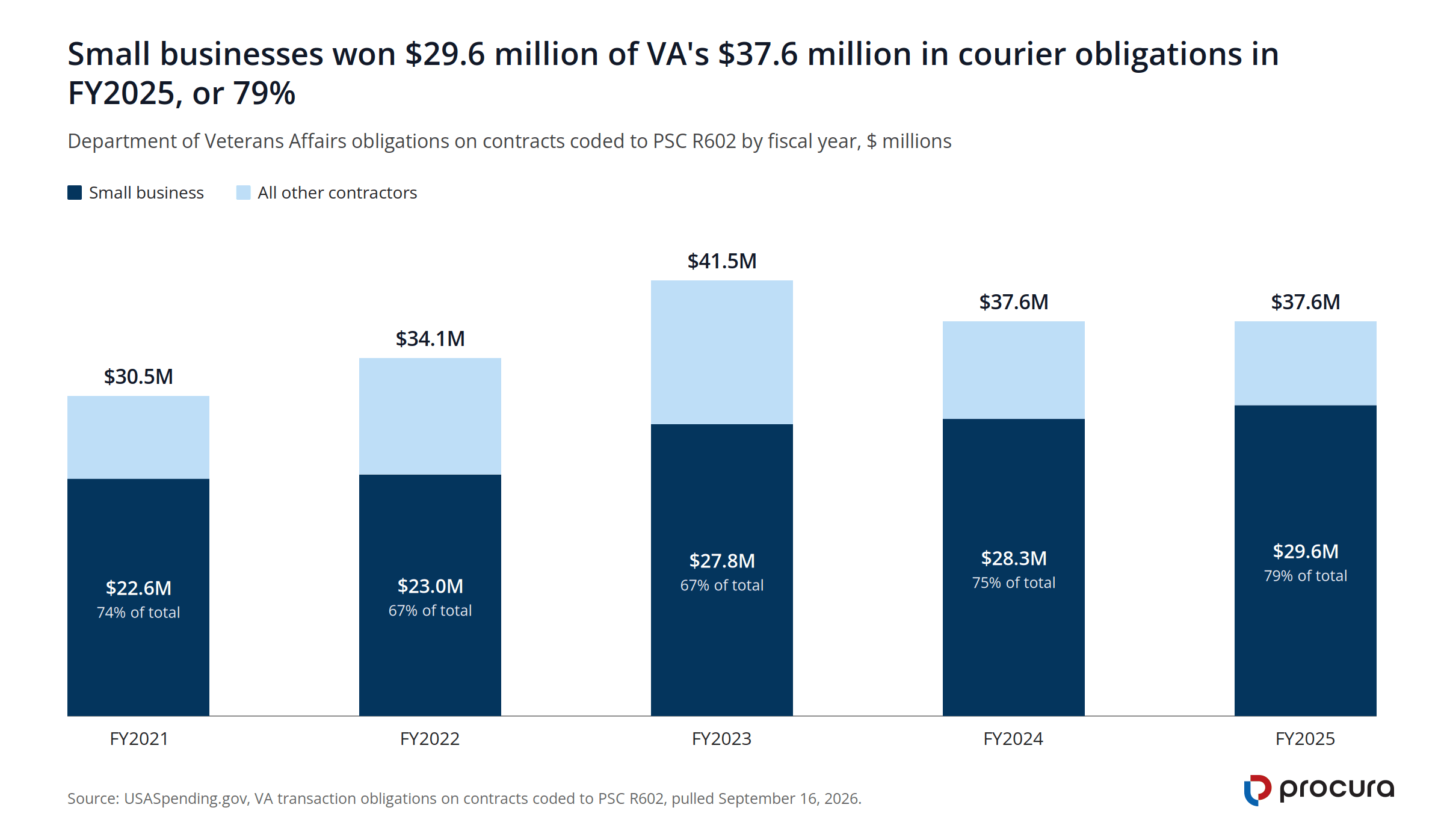
Data table: VA courier obligations and small business share, FY2021 to FY2025
| Fiscal year | VA courier obligations | To small businesses | Small business share |
|---|---|---|---|
| FY2021 | $30.5 million | $22.6 million | 74% |
| FY2022 | $34.1 million | $23.0 million | 67% |
| FY2023 | $41.5 million | $27.8 million | 67% |
| FY2024 | $37.6 million | $28.3 million | 75% |
| FY2025 | $37.6 million | $29.6 million | 79% |
Who won recent VA courier contracts?
Recent awards show how the order works. For example, VA awarded three medical courier contracts under SDVOSB set-asides between August 26 and September 14, 2026. Yet every winner is based in a different state from the work.
| VA requirement | Where the work happens | Set-aside | Winner and headquarters | Award amount |
|---|---|---|---|---|
| Medical courier for lab specimens (36C26126Q0795) | VA Sierra Nevada Health Care System, Reno, NV | SDVOSB | Crosstown Courier Service Inc., Littleton, NH | $711,329 |
| Laboratory courier (36C24926D0051) | Louisville VA Medical Center, Louisville, KY | SDVOSB | Security Logistics Intelligence Construction Engineering Company, Rock Island, IL | $784,084 |
| General medicine courier (36C26027P0011) | VA Puget Sound, Seattle, WA | SDVOSB | Caduceus Medical Logistics LLC, East Longmeadow, MA | $2,131,753 |
Do you need a local office to win a VA courier contract?
Government courier contracts at VA do not require a local headquarters. Each winner still needs drivers in the service area, and VA limits how much of the work the winner can pass to other firms. 13 CFR 125.6 sets the limit for services. Specifically, the prime cannot pay more than 50 percent of the amount it receives to firms that are not similarly situated. In addition, under VAAR 819.7004, the offer must include a signed certification that the firm will obey that limit. Otherwise, VA does not consider the offer.
A courier company without veteran ownership still has a path. For example, the Stratton VA solicitation and the Defense Health Agency RFQ for Oahu are total small business set-asides.
Set-aside status decides whether you can compete for government courier contracts. However, insurance and wage rules decide whether the contract makes money.
What insurance does a government courier contract require?
FAR 28.307-2 sets the minimum limits when a contract requires insurance. Also, the FAR Overhaul text for Part 28 keeps the same dollar amounts.
| Coverage | FAR 28.307-2 minimum |
|---|---|
| Automobile liability, bodily injury | $200,000 per person and $500,000 per occurrence |
| Automobile liability, property damage | $20,000 per occurrence |
| General liability, bodily injury | $500,000 per occurrence |
| Employer’s liability | $100,000 |
| Workers’ compensation | As federal and state law requires |
These amounts are floors, so a solicitation can set higher limits. In addition, your automobile policy must include every automobile that you use on the contract. If drivers use their own cars, ask your agent about hired and non-owned auto coverage.

How does the Service Contract Act set courier pay?
A courier contract is a service contract under the Service Contract Act, and the Labor Department enforces that law. 29 CFR 4.5 says that a covered contract of more than $2,500 must include the current wage determination.
Each wage determination lists a minimum hourly rate for each occupation and the fringe benefits that the employer must pay. Occupation 01141, Messenger Courier, is the courier job. This table also shows 31361, Truckdriver, Light, for comparison, so check which occupations your solicitation lists.
| Area | Wage determination | Messenger Courier (01141) | Truckdriver, Light (31361) |
|---|---|---|---|
| Washington, DC, metro area | 2015-4281, Rev. 39, August 22, 2026 | $22.01 | $23.10 |
| Los Angeles County, CA | 2015-5613, Rev. 34, August 20, 2026 | $21.04 | $22.36 |
| Oklahoma City area, OK | 2015-5315, Rev. 31, August 12, 2026 | $18.74 | $19.29 |
| Reno area (Storey and Washoe Counties), NV | 2015-5595, Rev. 30, August 22, 2026 | $18.69 | $21.12 |
Health and welfare, however, is the same in all four areas. In DC, the determination also requires 11 paid holidays and two weeks of paid vacation after one year of service. Similarly, janitorial contractors work under the same wage determination system, as the government cleaning contracts guide explains.
One contract can carry more than one wage determination. For example, Amendment 002 to the Stratton VA solicitation added determination 2015-4169 for Clinton, Essex, Franklin, Lewis, and St. Lawrence Counties. Therefore, price each route at the rate for the county where the work happens.
Where do you find government courier solicitations?
SAM.gov is the official source, and the guide to finding government contracts explains its search tools. To find government courier contracts, filter by product and service code R602 and NAICS codes 492110 and 492210. Also include sources sought and presolicitation notices, not only solicitations.
VA posts most courier notices through its regional Network Contract Offices. For instance, in September 2026 alone, those offices posted courier notices for Albany, Louisville, Seattle, Minneapolis, and Northern California.
So answer every sources sought notice that fits your company. VA’s Bay Pines notice gives the fallback. If too few SDVOSBs respond, VA can move the requirement to a VOSB set-aside, a small business set-aside, or full competition. In other words, your response is part of the market research that decides the set-aside.
How do you price a government courier contract?
First, start from the wage determination, not from a commercial rate card. In the DC area, a Messenger Courier costs at least $27.93 an hour before payroll taxes and paid leave. That is $22.01 in wages plus $5.92 in health and welfare. Then add the costs that the wage determination does not show:
- Payroll taxes and workers’ compensation premiums
- Paid holidays and vacation
- Vehicle cost per mile, with fuel and maintenance
- Insurance at or above the FAR minimums
- Temperature-control equipment and specimen packaging
- Dispatch, supervision, and overhead
- Profit

Read the price schedule before you build the model. It tells you whether the agency pays per month, per route, or per trip, and each unit also carries a different risk.
Recent VA awards for government courier contracts show the range. For example, Network Contract Office 10 awarded a lab courier contract for $294,605 on July 31, 2026. VA Puget Sound, however, awarded one for $2.13 million in September.
What mistakes cost a courier company the award?
Each of these mistakes can remove an offer before price matters:
- No signed limitations on subcontracting certification with a VA set-aside offer
- No VetCert certification on an SDVOSB or VOSB set-aside
- A size claim under the wrong NAICS code
- Wage rates below the wage determination, or one rate on a contract with two determinations
- Insurance below the FAR 28.307-2 minimums
- A missed amendment that changed the due date, the scope, or the wage determination
- Specimen packaging that does not meet 49 CFR 173.199
How do you decide which courier solicitations to bid?
A notice title does not tell you enough. Instead, your decision depends on the attachments: the performance work statement, the route list, the wage determinations, the insurance clause, and the set-aside terms. A multi-county specimen route is a different business from one daily mail run, but the two can carry the same R602 code.
Procura Federal reads each federal solicitation and its attachments for you. You upload your capability statement once, and then Procura scores every new opportunity against it. It also flags compliance requirements, such as a VetCert set-aside or a second wage determination. It costs $399/month.
GovWin IQ, on the other hand, gives large primes deep market research, and third-party estimates start its annual price in the five figures. Procura instead focuses on the bid decision for small firms, and the tools comparison shows where each option fits.
After you pick a solicitation, the step-by-step guide to winning government contracts explains how to write the offer.
Government courier contracts: common questions
Do you need a CDL for government courier contracts?
Not for a car, SUV, or cargo van. 49 CFR 383.5 ties the commercial driver’s license to three vehicle types. Specifically, they are vehicles rated at 26,001 pounds or more, vehicles designed for 16 or more passengers, and vehicles with placarded hazardous materials loads.
Can a courier company use 1099 drivers on a federal contract?
You can use them, but the Service Contract Act still applies to them. 29 CFR 4.155 says that coverage depends on the work the person does, not on the contract between the person and your company. A 1099 driver on the contract still gets the wage determination rates.
How do you find out who holds a courier contract now?
First, search the current contract number on USASpending.gov. For example, the Defense Health Agency RFQ for Oahu names its current contract, W81K0221P0176. The award record then shows the holder, the obligations, and the dates.
What is the difference between a courier contract and an NEMT contract?
A courier contract moves things, whereas a non-emergency medical transportation (NEMT) contract moves patients. Also, NEMT work uses NAICS 485991, which has a $19.0 million size standard.
Book a demo below, and bring a courier solicitation that you want a second opinion on. Then we will review its score and its requirements with you.